Context
Every year the federal government wires about R$2 billion straight into school bank accounts, reaching more than 136,000 schools. It pays for the roof, the chairs, the science fair.
I interviewed principals in Brasília and found the opposite of what I expected. Schools were sitting on money they were afraid to spend. Each programme has its own account and its own rules, and spending from the wrong one costs the principal their own salary. So the safest move was to spend nothing. The data existed, scattered across federal portals, written for people who already knew what to look for.
My role
I led design from concept to handoff: 10 interviews and 5 usability tests, five with public school principals, plus the ministry stakeholders. Two users, opposite needs: the principal wanted to know if it was safe to spend, the parent wanted to know where the money went.
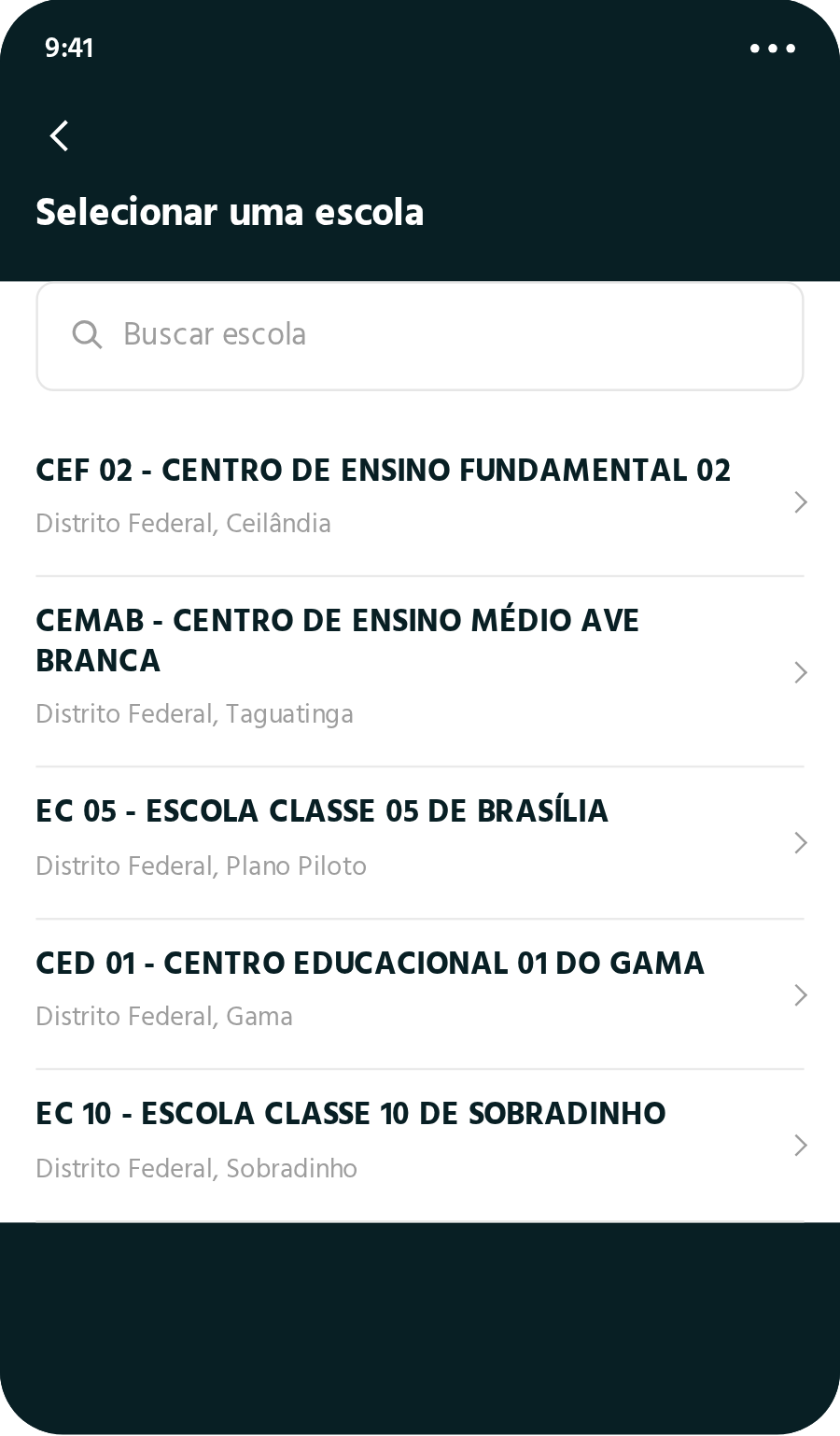
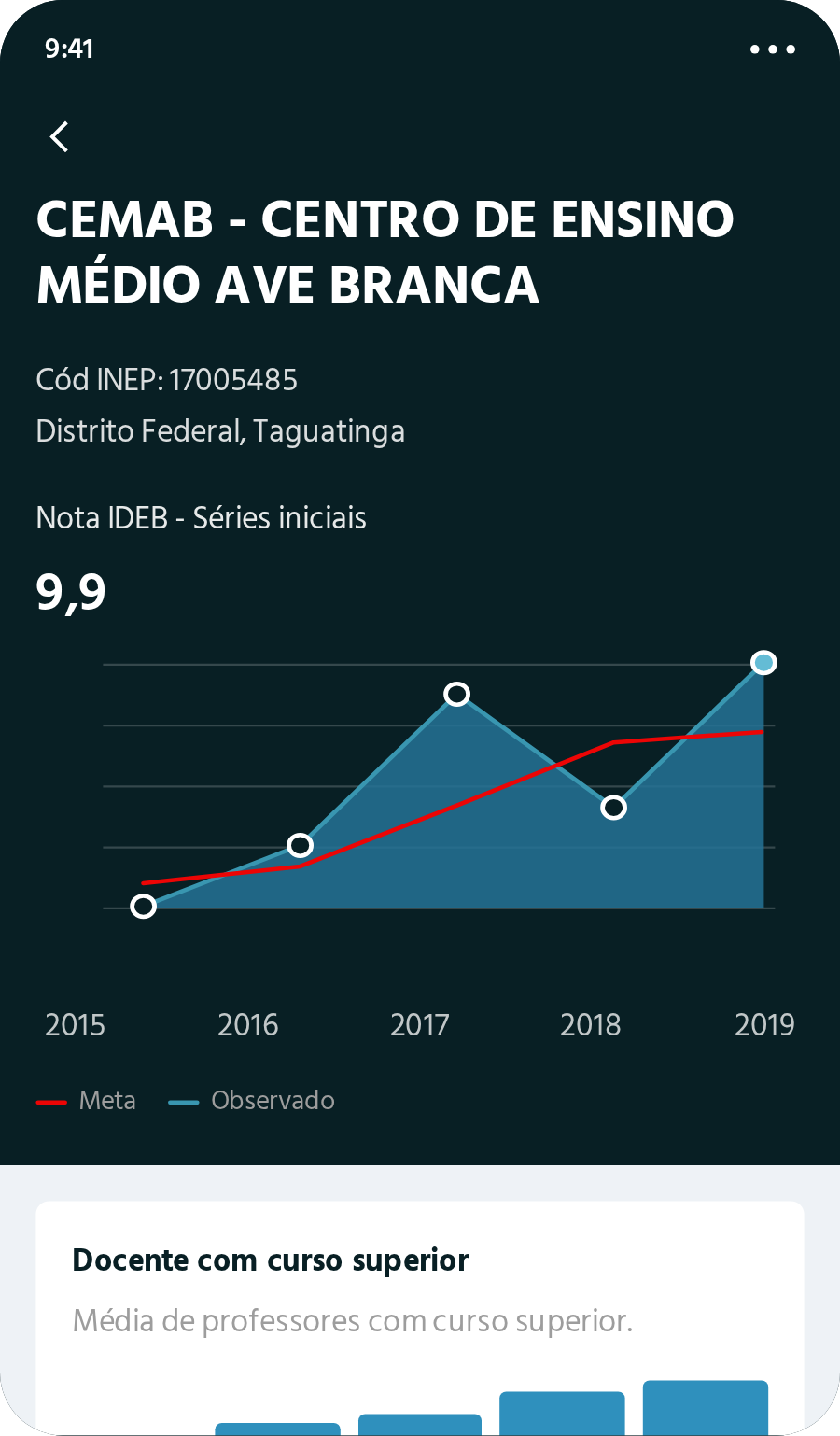
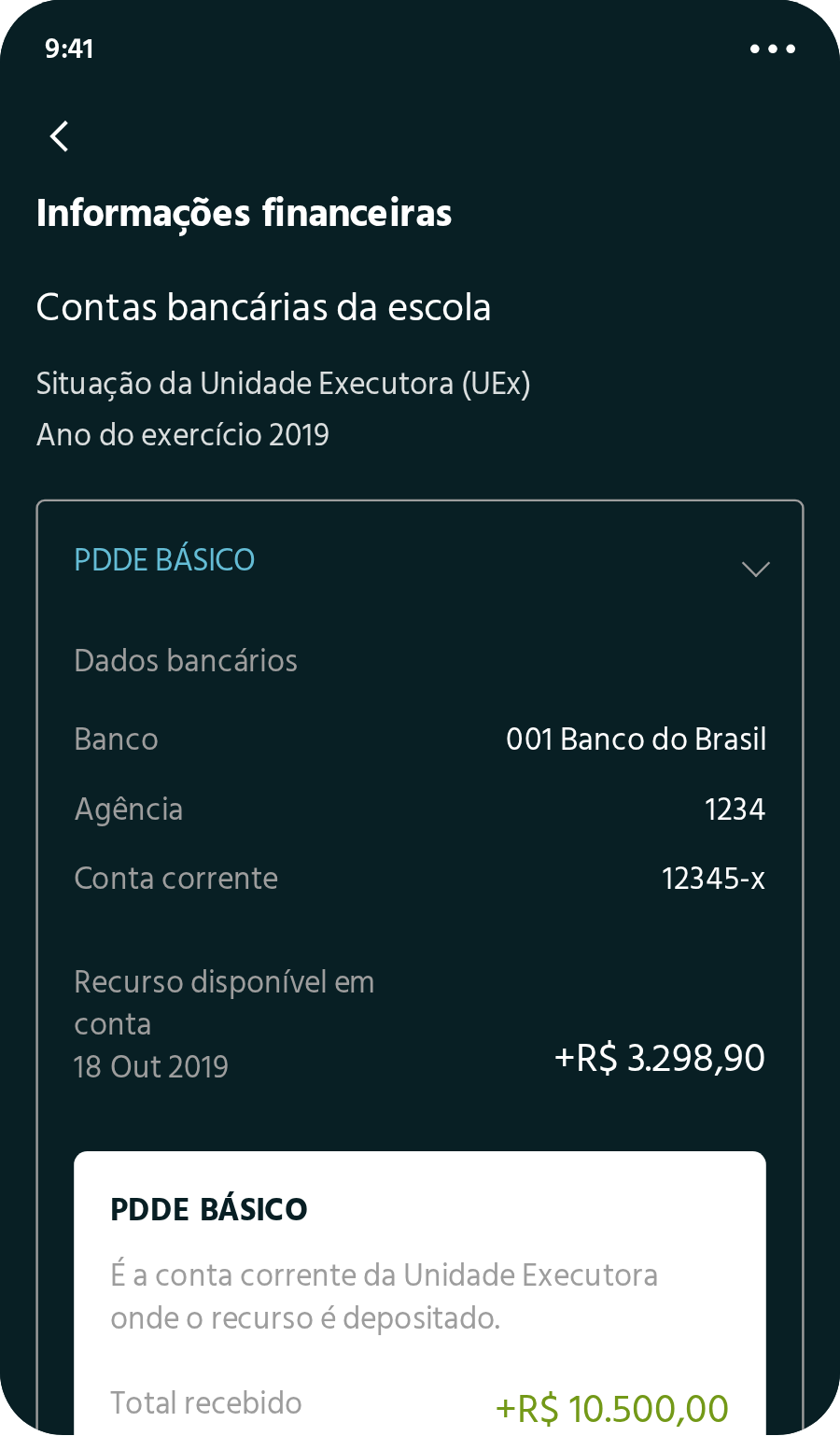
One decision carried the product. Show the money as a bank statement, not a dashboard, because every principal and every parent already knows how to read one. Around it, the school's record in plain language, and no login to look anything up.
What we did not solve: the app shows what the school received, not where it went. That was the loudest complaint on v1, and it was fair.
Gallery
Ninety components drawn in Sketch in 2019, rebuilt here in code from the original file. The statement card opens the way it opened in the app.
Results
downloads as of January 2026, up 125% from v1.
a year made traceable, school by school, updated daily.
said they would use it, before it existed. They did.
schools reached by the programme it opened up.
on Google Play across 986 ratings, six years in.
conceived under one, still being expanded under another.